AV Receivers
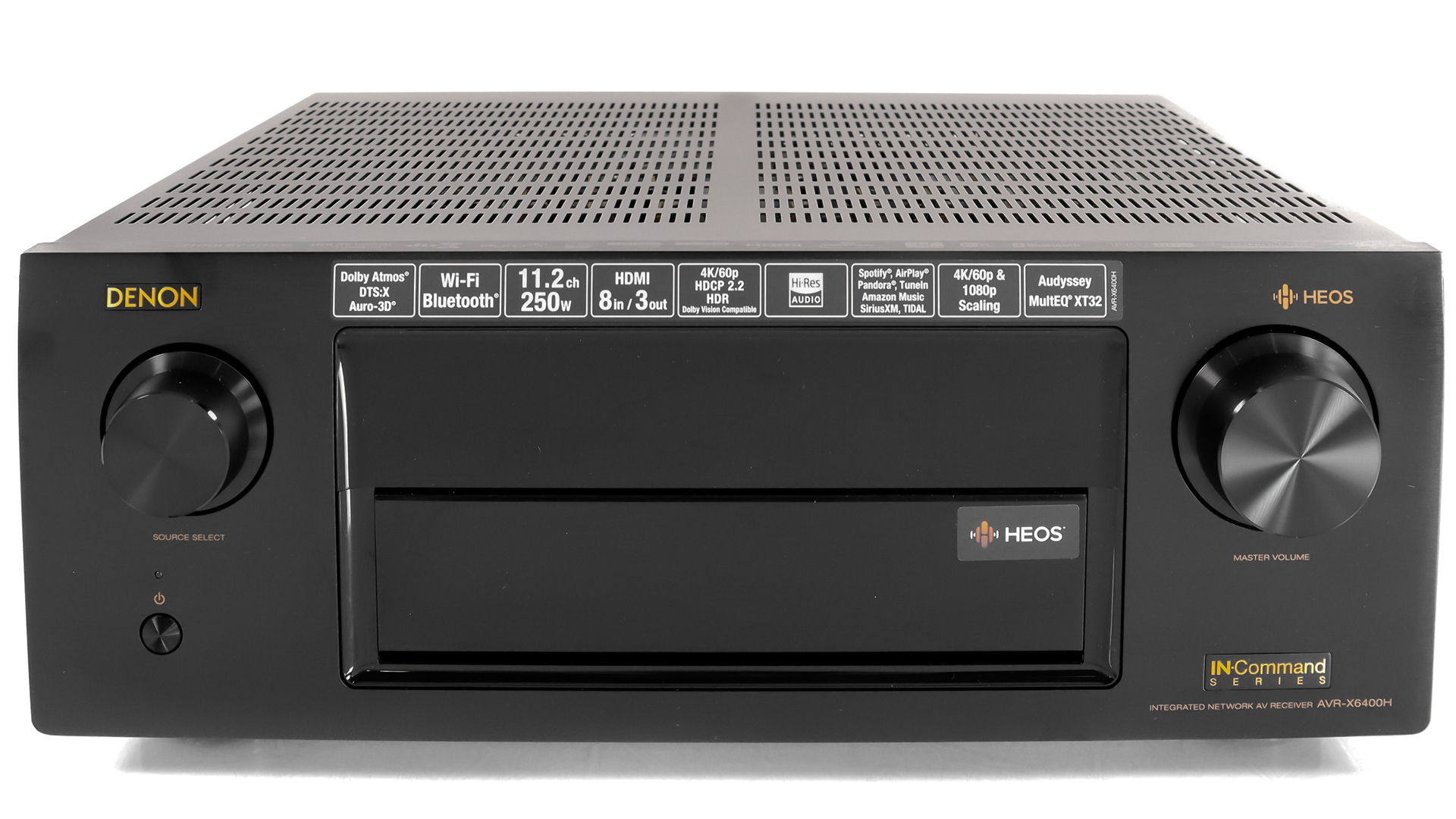
The AV receiver stands as the undeniable technological heart and sophisticated command center of any modern home theater system, a complex and multifaceted device whose primary function extends far beyond simply amplifying audio signals to instead act as the central hub for managing, processing, and distributing all audio and video content from a myriad of source devices—including streaming boxes, gaming consoles, Blu-ray players, and cable satellites—to your display and speakers. Its core responsibilities are encapsulated in a trio of critical functions: amplification, where it supplies the necessary power to drive a multi-channel speaker setup, often configured in a 5.1, 7.1, or even advanced 5.1.4 Dolby Atmos arrangement, ensuring each channel receives a clean and robust signal to create an immersive soundscape; audio processing, which is arguably its most technically demanding role, involving the decoding of intricate digital audio formats like Dolby TrueHD, DTS:X, and Dolby Atmos, which include object-based audio metadata to precisely place sounds anywhere in a three-dimensional space, making the overhead effects in a film feel tangible and real; and video processing, where it seamlessly switches between high-bandwidth HDMI sources, often supporting 4K Ultra HD, HDR10, Dolby Vision, and 120Hz pass-through for next-generation gaming, ensuring the highest fidelity signal is sent to your television or projector.
Selecting the right AV receiver necessitates careful consideration of several key specifications, starting with the number of channels, which dictates the size and scope of your speaker system, followed by power output per channel, which should be measured with all channels driven to ensure adequate headroom and clarity even at high volumes, alongside essential connectivity options such as sufficient HDMI inputs with HDCP 2.3 compliance, phono inputs for turntables, and robust wireless features like built-in Wi-Fi, Bluetooth, and support for Apple AirPlay 2 and Chromecast for seamless streaming. Furthermore, modern receivers are increasingly integrated into the smart home ecosystem, offering compatibility with voice assistants and control systems, while also featuring advanced room calibration software like Audyssey, Dirac Live, or YPAO, which uses a provided microphone to automatically measure your room’s specific acoustic properties and apply precise digital correction to the speaker levels, distances, and equalization, effectively compensating for less-than-ideal room acoustics and delivering a perfectly balanced sound tailored to your unique environment. Ultimately, investing in a quality AV receiver is about future-proofing your entertainment experience and unlocking the full cinematic potential of your content, transforming a simple movie night or gaming session into a truly captivating and auditory event that places you directly in the center of the action, making it the most crucial component for anyone serious about achieving high-fidelity home theater.